


A Flower Farmer’s Guide to Buying Seeds
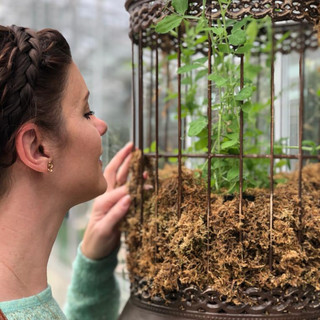
Where you buy your seeds matters more than most people realize.

As flower farmers, we don’t just choose varieties for beauty—we choose them for stem length, vigor, disease resistance, timing, and ethics. Seeds are the beginning of everything, and the companies behind them shape what kinds of gardens (and farms) are even possible.
After years of growing in Colorado’s unique climate, here’s where I source seeds I trust—and why.
Johnny’s Selected Seeds (Our primary workhorse)
Johnny’s is the backbone of many professional flower farms, and for good reason. Their varieties are rigorously trialed, clearly documented, and reliably true to type. When you’re planning bloom windows for weddings or succession planting across an entire season, consistency matters.
Johnny’s also invests heavily in organic breeding, transparency, and grower education, which aligns closely with our values here at Petals.
If you’re serious about growing flowers well—not just pretty, but well—this is where to start.
Territorial Seed Company (A standout for Western growers)
Territorial is especially valuable for growers in the Mountain West and Pacific regions. Their varieties are selected and trialed in climates with cooler nights and shorter seasons, which makes a real difference here in Colorado.
They shine in:
Cool-season flowers
Greens and foliage
Reliable, no-nonsense varieties that perform without drama
For local gardeners and small farms alike, Territorial is an excellent, thoughtful source.
MASA Seed Foundation (For Colorado and Southwest growers)
MASA focuses on regionally adapted, open-pollinated seed, particularly for arid and high-desert climates. Their work preserves biodiversity and supports seed sovereignty in the Southwest.
If you’re a Colorado grower interested in:
Climate-resilient plants
Open-pollinated varieties
Supporting mission-driven seed work
MASA is absolutely worth knowing.
Baker Creek Heirloom Seeds aka Rare Seeds (For heirlooms, curiosity, and genetic diversity)
Baker Creek—often known as Rare Seeds—is a beloved source for heirloom and open-pollinated varieties from around the world. Their catalog is expansive and inspiring, especially for gardeners who value history, preservation, and genetic diversity.
While not every variety is selected specifically for cut-flower production, Baker Creek is an excellent place to find:
Unusual and historic varieties
Pollinator-friendly plants
Seeds that celebrate diversity over uniformity
We see Baker Creek as a wonderful complement to more production-focused companies—especially for home gardeners and growers who love experimentation and story-rich plants.
GeoSeed (For specialty and hard-to-find varieties)
GeoSeed is less flashy, but incredibly valuable if you’re looking for specific colors, old standards, or professional cut varieties that aren’t always easy to find elsewhere.
They cater more to growers than hobbyists, but if you know what you’re looking for, they’re a quiet gem.
Local & Small Seed Makers (Including Renee's Garden)
We also love supporting small, independent seed companies, including mission-driven growers like Renee's Garden sand other small producers doing careful, hands-on work.
Buying from small seed organizations:
Keeps rare and regional varieties alive
Supports ethical growing practices
Helps diversify the seed world instead of consolidating it
These seeds often feel more alive—and growing them is part of a larger stewardship.
A Note on Floret
Floret played a huge role in bringing cut flowers into the mainstream, and their influence on modern flower farming can’t be overstated. At this time, they are not a primary retail seed source, focusing instead on education, breeding work, and larger projects.
Their legacy still matters—but if you’re seed shopping today, you’ll want to look elsewhere.
A Word of Caution: Burpee, Monsanto, and Big Seed
Not all seed companies operate with the same intentions.
Large, mass-market brands—especially those tied to corporate agriculture and conglomerates like Monsanto/Bayer—prioritize scale, patents, and profit over biodiversity, regional adaptation, or small growers.
That doesn’t mean every packet will fail.It does mean your dollars are supporting a system that:\
Reduces seed diversity
Pushes growers toward dependency
Undermines small farms and independent breeders
Whenever possible, we encourage choosing independent, transparent seed companies that invest in the future of growing—not just quarterly returns.
Why This Matters to Us at Petals
As flower farmers, everything we grow starts from seed—often months before you ever see a bloom. We choose sources that align with our commitment to:

Organic, chemical-free growing
Strong, healthy plants
Ethical sourcing
Supporting small and regional organizations
It’s slower. It’s more intentional. And it’s worth it.
Because beautiful flowers don’t begin in the vase—they begin with the seed.
Want to see exactly which flower seeds we buy for our bouquets so you can grow your own cut flower garden? Here we tell you exactly what seeds we're buying for the farm! Ready to take the next step and learn more about seed starting? Go here for our tips and tricks for indoor seed starting. Feeling ovewhelmed or like you jumped into the middle of something bigger than you were expecting? This is where you want to start: A step by step guide to growing flowers - from seed to vase.


Comments